

What the sources report
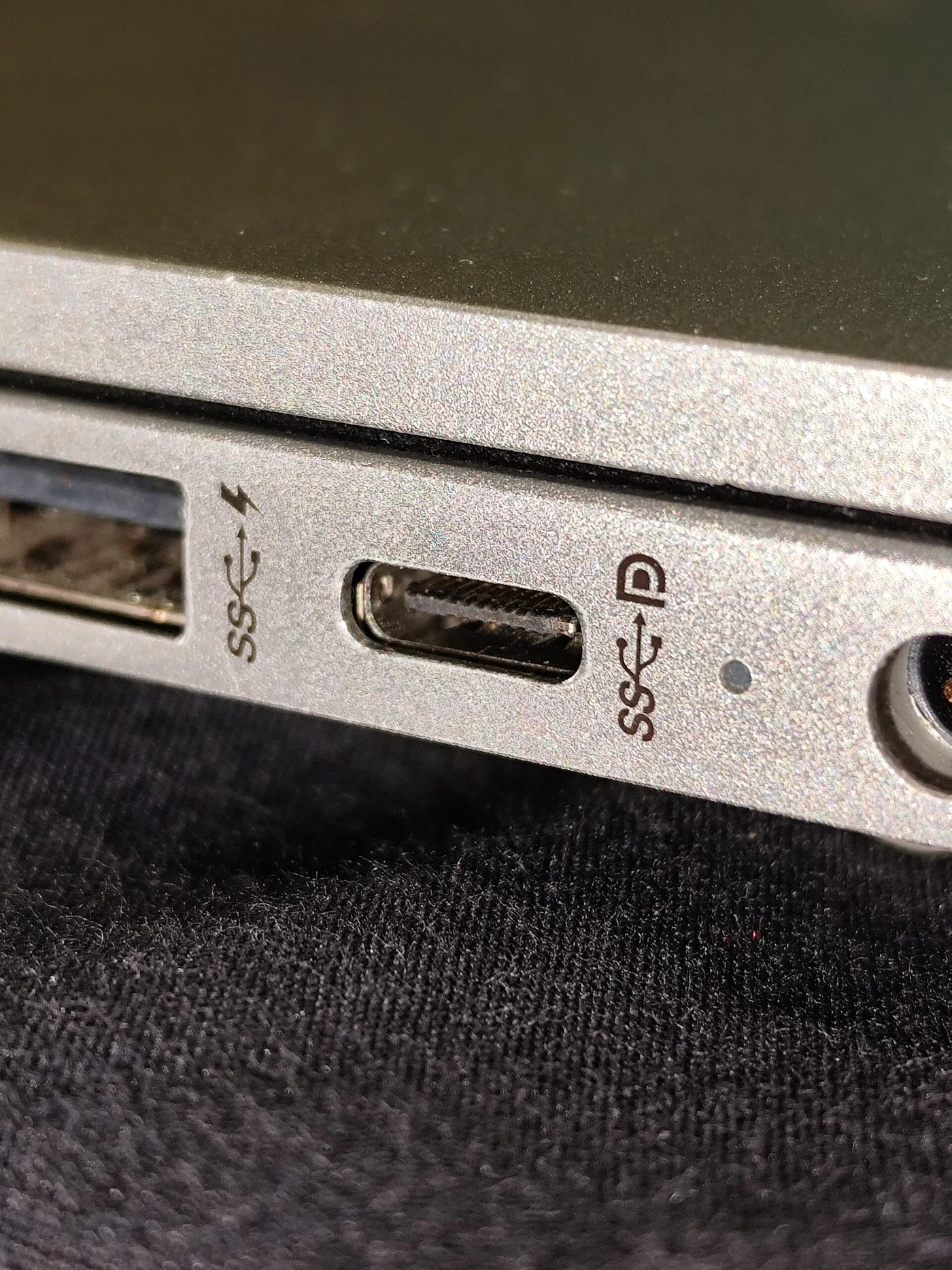
According to the Commission, the common-charger requirements apply to laptops from April 28, 2026. Its explanation identifies USB-C as the shared port and requires information about a device’s charging needs.
European Commission ↗Tech Advisor’s December 2025 guide reports that compatibility does not necessarily deliver a device’s maximum charging power. That is a practical qualification, not evidence that the common-port requirement has failed.
Tech Advisor ↗What remains unclear
These records do not measure compliance across laptops sold after the deadline. They also do not establish the actual waste reduction or consumer savings achieved so far. A forecast of benefits should not be presented as a measured result. [4] [5]
This comparison does not test any particular laptop, cable or adapter. Product-specific compatibility needs model-specific documentation or testing; a shared connector alone is not that evidence. [6]
How the story is being covered
Full perspective pending.
Political leaning labels describe an outlet’s online news coverage, as rated by AllSides. Center does not mean unbiased; a label does not establish whether a particular report is correct. Compare the linked reports and the evidence below. An absent perspective is not evidence that an outlet did not cover the story.
The Commission explains what the policy is intended to achieve. Tech Advisor asks what users still need to understand. Those emphases can coexist: harmonizing an interface does not make every power specification identical. The legal text and the Commission’s explanation are connected sources, not independent tests of implementation.
European Commission
Political leaning: Primary source — not an outlet rating
primary ·One common charging solution for all ↗
Reporting focusThe policy’s compatibility and consumer-information goals.
Framing & contextBenefits and the rules’ implementation take priority over individual product tests.
Evidence group: EU common charger legislation. This identifies shared evidence, not editorial independence.EUR-Lex
Political leaning: Primary source — not an outlet rating
primary ·Directive (EU) 2022/2380 ↗
Reporting focusThe governing text rather than a consumer buying guide.
Framing & contextLegal scope must be checked against the instrument, not inferred from a broad headline.
Evidence group: EU common charger legislation. This identifies shared evidence, not editorial independence.Tech Advisor
Political leaning: Not rated in our registry
secondary ·USB-C chargers explained: How to choose the right adapter ↗
Reporting focusPractical charger selection and remaining complexity.
Framing & contextA reader-service approach foregrounds limitations behind the promise of one connector.
Evidence group: Tech Advisor charging explainer. This identifies shared evidence, not editorial independence.Important context
The dates matter. Tech Advisor’s piece predates the laptop deadline, so its practical discussion is useful background but cannot be treated as reporting on how the April rollout went. The Commission’s current explanation establishes the stated schedule. [6] [4]
This is an EU policy explainer, not a claim that the same legal requirement applies everywhere. The directive is included so reviewers can check its scope before making broader statements about products or markets. [5]
Timeline
- Tech Advisor publishes its practical charging guide. [6]
- The Commission identifies this as the laptop application date. [4]
Sources & evidence
- One common charging solution for all ↗
European Commission · Retrieved 2026-10-10 19:09:44 UTC
- Directive (EU) 2022/2380 ↗
EUR-Lex · Retrieved 2026-10-10 19:09:44 UTC
- USB-C chargers explained: How to choose the right adapter ↗
Tech Advisor · Retrieved 2026-10-10 19:09:44 UTC
Updates & corrections
- Initial unpublished draft. Source, rights, risk and separate quality reviews remain pending.