
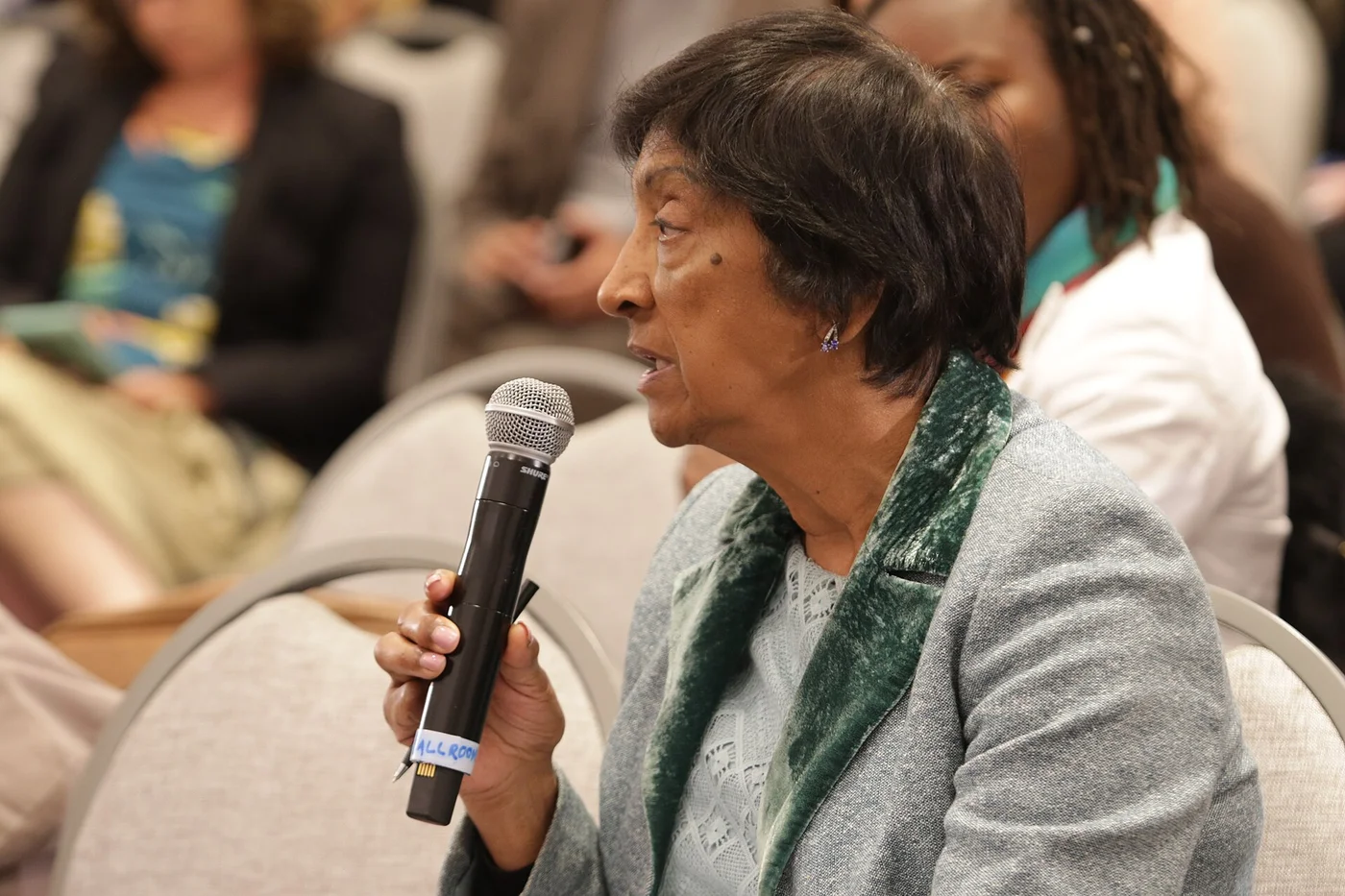

What the sources report
The New York Times foregrounds Pillay’s upbringing and early practice, including accounts from people who knew her before her international career.
The New York Times ↗PBS structures its explanation around an interview with Stephen Rapp about Pillay’s legal legacy and the significance of the selection.
PBS NewsHour ↗Fox foregrounds critical reactions but also includes the Nobel committee’s favorable assessment and biographical background.
Fox News Digital ↗All three excerpts report the award and relay the committee’s favorable rationale; that shared announcement is not three independent demonstrations of the rationale’s merits.
The New York Times ↗ PBS NewsHour ↗ Fox News Digital ↗What remains unclear
Independent fact-checking remains pending. The packet contains no directly retrieved Nobel announcement or court records to independently check the selection rationale or accounts of legal achievements. [61] [62] [63]
The supplied coverage does not settle competing assessments of Pillay’s record. This comparison does not reproduce or adjudicate personal allegations, nor does it resolve disputed legal conclusions. [62] [63]
How the story is being covered
Political leaning labels describe an outlet’s online news coverage, as rated by AllSides. Center does not mean unbiased; a label does not establish whether a particular report is correct. Compare the linked reports and the evidence below. An absent perspective is not evidence that an outlet did not cover the story.
AllSides rates PBS NewsHour Lean Left and Fox News Digital Right in the supplied ratings. PBS gives Stephen Rapp substantial space to defend Pillay’s legacy, while its interviewer also presents Israeli criticism and the Trump administration’s objection to the ICC’s accountability. Fox foregrounds critics of Pillay’s record while including praise from the Nobel committee and U.N. secretary-general. These sources disagree over the merits of her work, not the reported selection. The New York Times emphasizes biography and has no supplied rating. No center-rated outlet is present in the retrieved packet. These observations describe the supplied coverage, not every report from these outlets or the motives behind editorial choices.
The New York Times
Political leaning: Not rated in our registry
secondary ·Navi Pillay, Nobel Peace Prize Winner, Forged Her Career Under Apartheid ↗
Reporting focusPillay’s South African upbringing, education and early legal practice.
Framing & contextA biographical account connecting personal experiences of apartheid with a later international career.
Evidence group: New York Times. This identifies shared evidence, not editorial independence.PBS NewsHour
Left-leaning · AllSides: Lean Left · checked 2026-10-10
secondary ·Navi Pillay wins Nobel Peace Prize after long career of investigating war crimes ↗
Reporting focusThe significance of the award and Pillay’s international legal legacy.
Framing & contextAn explanatory interview emphasizing contributions to international justice and pressure on legal institutions.
Evidence group: PBS. This identifies shared evidence, not editorial independence.Fox News Digital
Right-leaning · AllSides: Right · checked 2026-10-10
secondary ·Who is Navi Pillay? Nobel Peace Prize winner's UN record renews fierce antisemitism accusations ↗
Reporting focusCritical reactions to the selection, alongside biographical background and institutional praise.
Framing & contextA reaction-led account rather than a primarily biographical or legal-legacy explanation.
Evidence group: FOX. This identifies shared evidence, not editorial independence.Important context
The Times draws on Pillay’s recollections and accounts from people who knew her to connect discrimination under apartheid with her early legal practice and later international career. [61]
PBS’s principal interviewee, former prosecutor Stephen Rapp, describes working in a tribunal where Pillay presided and says he was with her when she learned of the award. His favorable assessment comes from professional familiarity, not a detached adjudication of her record. [62]
The contrast is not simply praise versus criticism. PBS puts objections to its supportive guest; Fox includes favorable institutional assessments alongside its reaction-led account. Both distinguish the U.N. inquiry’s conclusions concerning Gaza from a judicial determination, despite their different emphases. [62] [63]
All three relay the Nobel committee’s favorable rationale. That common source explains part of their agreement: repeating the committee’s assessment does not independently establish its merits. Institutional statements and advocacy reactions are interested perspectives. [61] [62] [63]
Timeline
- PBS and Fox report Pillay’s Nobel Peace Prize selection, emphasizing her legal legacy and critical reactions respectively. [62] [63]
- The Times publishes the supplied biographical account linking Pillay’s South African experiences with her international career. [61]
Sources & evidence
- Navi Pillay, Nobel Peace Prize Winner, Forged Her Career Under Apartheid ↗
The New York Times · Retrieved 2026-10-11 07:19:25 UTC
- Navi Pillay wins Nobel Peace Prize after long career of investigating war crimes ↗
PBS NewsHour · Retrieved 2026-10-11 07:19:25 UTC
- Who is Navi Pillay? Nobel Peace Prize winner's UN record renews fierce antisemitism accusations ↗
Fox News Digital · Retrieved 2026-10-11 07:19:25 UTC
Updates & corrections
- Automated revision; separate Codex quality review passed. This is an original comparison of the supplied coverage, not independent confirmation of the underlying event. Independent fact-check pending.
- Initial unpublished draft. Source, rights, risk and separate quality reviews remain pending.